Researchers diagnosed Kneeland with stage 1 CTE following a postmortem brain analysis, his family and the Concussion & CTE Foundation announced

By Jared Dubin
• 2 min read
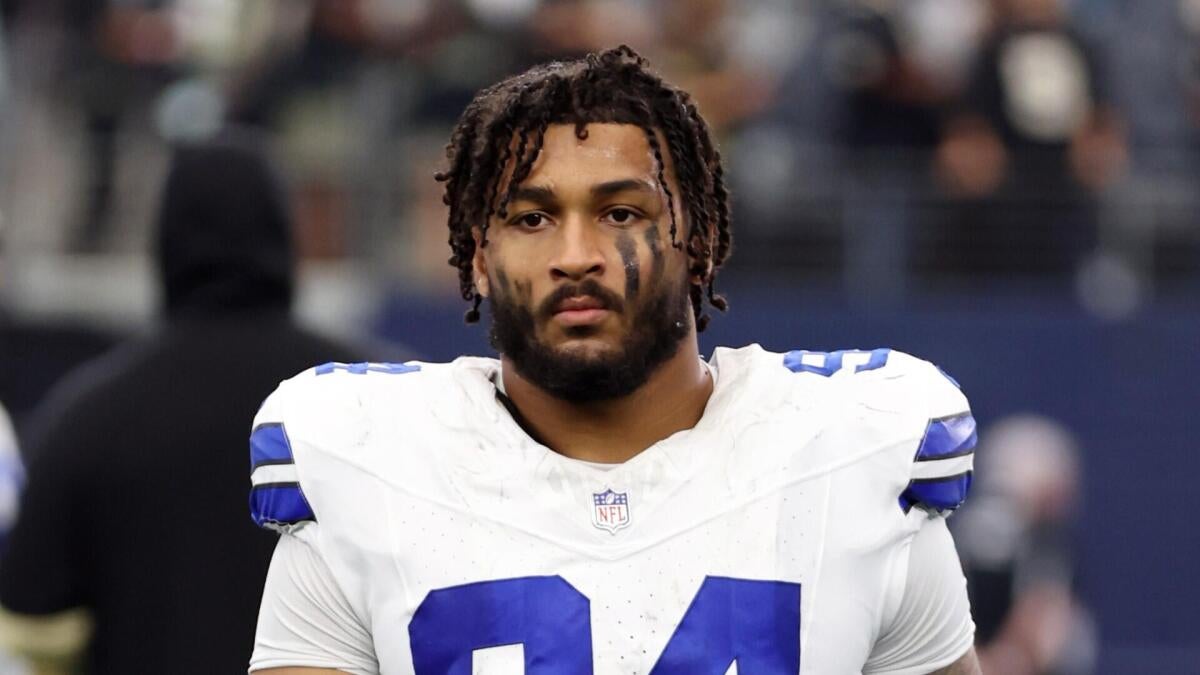
Former Dallas Cowboys edge rusher Marshawn Kneeland, who died of a self-inflicted gunshot wound at age 24 last November, had stage 1 chronic traumatic encephalopathy (CTE) at the time of his death, according to a release from his family and the Concussion & CTE Foundation. Researchers at the Boston University CTE Center performed a postmortem tissue analysis on Kneeland's brain to make the diagnosis.
"Unfortunately, I was not surprised to find CTE in the brain of Mr. Kneeland because we have found this progressive brain disease in nearly half of the athletes we've studied who have died before the age of 30," Dr. Ann McKee, director of the Boston University CTE Center, said in the statement. "Thanks to the generosity of our brain donor families, we now better understand the earliest stages of CTE, and it is bringing us closer than ever to diagnosing it during life. My team and I are fully dedicated to finding effective treatments and a cure for CTE."
CTE is a degenerative brain disease that destroys nerve cells and has been linked to repeated traumatic brain impacts, not just concussions. It can currently only be diagnosed after death. It has been found in the brains of many former football players, boxers and combat veterans, among others.
"Mr. Kneeland played in the modern era of concussion protocols and better helmets, and yet he still developed CTE," Concussion & CTE Foundation CEO Chris Nowinski said. "We have no reason to believe the current generation is at a lower risk of CTE than previous generations. Concussion protocols do not prevent CTE because CTE is caused by repeated head impacts, not just concussions. If we want to reduce CTE risk, we must implement CTE prevention protocols and aggressively reduce the number and severity of head impacts at every level of the game."
Kneeland died last year following a police chase that began after a traffic violation. Department of Public Safety officers pursued Kneeland before losing sight of his vehicle. When they found it, it had been involved in a crash. Officers later found Kneeland, already deceased, while searching the surrounding area.
"Initial reports indicated that a male subject, later identified as 24-year-old Marshawn Kneeland of Plano, TX fled the scene on foot. Officers established a perimeter and initiated a search of the area with the assistance of the FPD K-9 and Drone units. During the course of the search, officers received information that Kneeland had expressed suicidal ideations. Kneeland was later located at 1:31 a.m., deceased with what appeared to be a self-inflicted gunshot wound," Frisco Police said in a statement at the time.
Police received calls from both Kneeland's girlfriend and the NFL, according to dispatch audio posted by TMZ at the time. Kneeland's girlfriend said she received a concerning message from him claiming he would "end it all." The NFL said family members had contacted the league to report that Kneeland was texting them "goodbye."
"While this diagnosis does not change the tragedy of his passing, it provides important context about some of the struggles he may have been facing," the family said. "We share this information to help people understand what NFL and other high-contact sport athletes might be struggling with. Raising awareness is important to us. We continue to remember Marshawn with compassion for the person he was, rather than defining him by the final moments of his life."